
Introduction: New Homes, Hidden Threats
When people buy or build a new home in Ohio, they often assume it’s immune to the pests that threaten older houses. After all, everything is brand-new: flooring, foundation, walls, and insulation. However, a question many new homeowners forget to ask is—do Ohio new construction homes need termite control?
The answer is a definite yes.
Even brand-new homes in Ohio can face significant termite risks due to the state’s environment, soil composition, and variable weather. Termite infestations aren’t just a southern or coastal problem. In fact, subterranean termites—the most common and destructive species in the Midwest—thrive silently underground in Ohio, causing structural damage long before homeowners notice.
In this comprehensive guide, we’ll explore why new construction homes in Ohio still need termite treatment, what type of controls are required, and how you can safeguard your investment from one of nature’s most persistent pests.
Understanding Termites in Ohio
Before we delve into prevention for new builds, it’s important to understand how termites live and why they’re so destructive.
1. The Species That Impact Ohio Homes
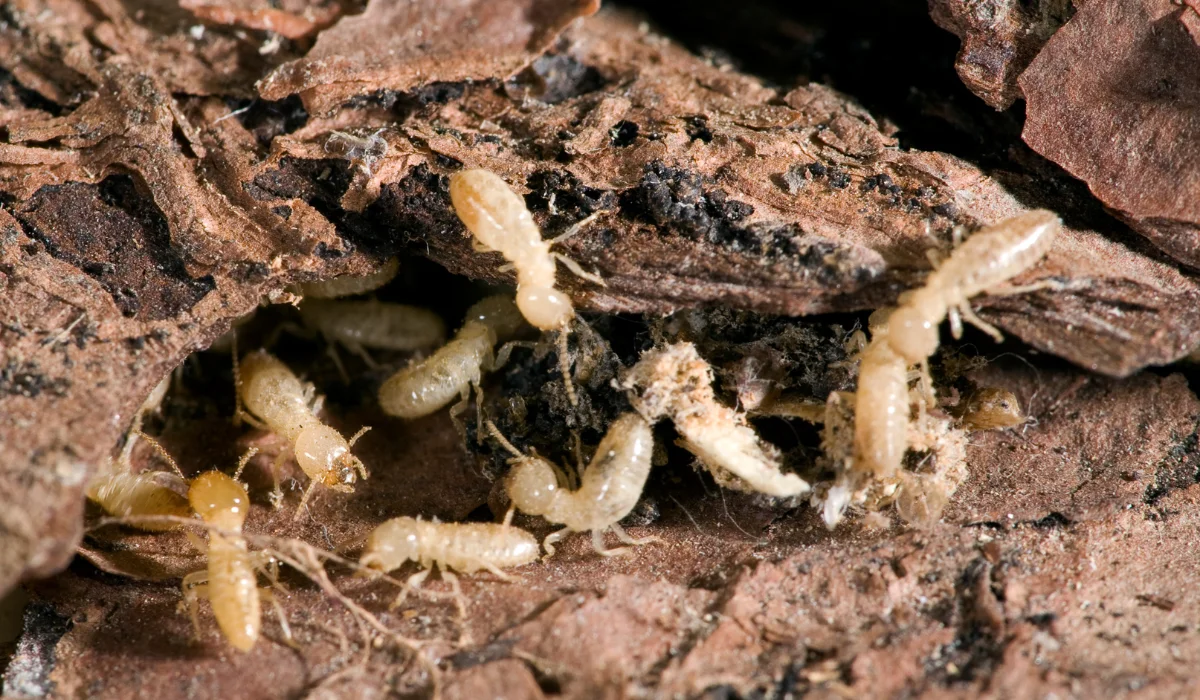
Ohio is home to Eastern Subterranean Termites (Reticulitermes flavipes)—tiny, soil-dwelling insects that feed on cellulose found in wood and paper products. Unlike drywood termites found in tropical regions, subterranean termites build colonies underground and travel through mud tubes to access wood structures above ground.
2. The Perfect Conditions for Infestation
Ohio’s moderate humidity, seasonal rainfall, and mix of clay and loam soils create ideal conditions for termite survival. Even during cold winters, these pests remain active below the frost line.
3. The Hidden Damage
Termites are known as the “silent destroyers” for good reason.
They can eat structural timber, floorboards, and wooden fixtures from the inside out, leaving no visible damage until severe weakening has occurred. Nationally, homeowners spend over $5 billion annually on termite damage repair, none of which is typically covered by homeowner’s insurance.
Clearly, even a new home in Ohio is not safe from termite activity.
Why New Construction Homes in Ohio Still Need Termite Control
Many homeowners assume termite risks only apply to older properties with pre-existing cracks, leaks, or decayed wood. But that’s a dangerous misconception.
Here’s why Ohio new construction homes still need termite protection:
1. Construction Disturbs the Soil
New home construction involves excavation, grading, and foundation setting—all of which disturb the natural soil layers. This brings termite colonies closer to your new home’s foundation, offering easy access to untreated lumber and concrete joints.
2. Lumber and Cellulose-Based Materials Are Everywhere
Even when builders use treated wood, a significant portion of framing and roofing materials remains susceptible. Additionally, cardboard sheets, paper-faced insulation, drywall backing, and wood-based composites all attract termites.
3. Concrete Doesn’t Stop Termites
A myth persists that concrete slabs prevent termite entry. In truth, termites can navigate tiny cracks (1/32 inch wide) or gaps around plumbing penetrations to reach interior studs or joists.
4. Adjacent Properties May Be Infested
Ohio neighborhoods—especially suburban and semi-rural developments—often share similar soil and environmental conditions. If an older home nearby has termites, your newly built property could soon become their next feeding ground.
5. Preventive Treatment Is Easier and Cheaper Now
During construction, termite prevention treatments are efficient and cost-effective to apply. Doing so before the concrete slab is poured or before finishing work begins ensures maximum coverage, which is far less expensive than post-construction termite extermination.
What Ohio Regulations Say About Termite Treatment
You may wonder—does Ohio law require termite control for new construction homes?
While Ohio does not have a statewide termite treatment requirement for residential construction, many local building codes, lenders, and contractors mandate or strongly recommend it.
Common Requirements and Recommendations:
- HUD/VA Loan Guidelines: If your home is financed through a VA or FHA loan, termite treatment may be required—especially in known activity zones.
- Builder Warranties: Many Ohio builders offer 1- or 2-year structural warranties conditional on pre-treatment verification.
- Local Ordinances: Certain counties recommend termite pre-treatment as part of approved building permits, especially in high-risk regions like southern and central Ohio.
Although it may not be a state law, builders and pest control professionals agree that prevention is a critical part of ensuring long-term structural stability.
The Best Termite Control Methods for New Construction Homes in Ohio
Effective termite prevention in new construction involves multiple layers of protection, combining chemical barriers, physical systems, and good construction practices. Below are the most trusted strategies used by licensed Ohio pest management professionals.
1. Soil Treatment Before Foundation Pouring
This is the most traditional and effective approach to termite prevention during new construction.
How it works:
Before the concrete slab or footings are poured, pest control technicians apply an approved termiticide solution to the soil that will sit beneath and around the foundation.
This creates a long-lasting chemical barrier, killing or repelling termites who try to tunnel toward the structure.
Benefits:
- Proven long-term effectiveness (up to 10 years with proper product application)
- Provides complete coverage under foundation areas
- Cost-efficient when applied before slab construction
Commonly Used Termiticides in Ohio:
Products might include termiticides like fipronil or imidacloprid, approved for EPA use and effective in controlling Eastern Subterranean Termites.
2. Termite Baiting Systems
Termite bait systems have gained popularity, particularly around new residential developments.
How it works:
Stations containing cellulose-based bait laced with slow-acting insect growth regulators (IGRs) are strategically placed around the perimeter. Worker termites feed on the bait and carry the chemical back to their colony, gradually eliminating the entire nest.
Advantages:
- Environmentally friendly
- Minimal soil disruption
- Long-term colony control—effective for recurring protection
Bait systems are typically used as a post-construction monitoring tool, though they can be integrated into new builds, especially when combined with soil treatment.
3. Physical Barriers and Termite-Resistant Construction Materials
Physical termite barriers supplement chemical treatments to reduce long-term risk.
Examples include:
- Stainless steel mesh barriers around utility penetrations.
- Termite shields on top of foundation walls.
- Treated lumber or composite foundation trims in moisture-prone areas.
Builders who incorporate termite-resistant design principles—such as ensuring proper drainage, maintaining ventilation, and minimizing soil-wood contact—can dramatically extend the building’s protection lifespan.
4. Borate Wood Treatments
Borate-based sprays or dips protect framing lumber before walls and floors are closed.
How it works:
Borate penetrates deep into porous wood surfaces, creating a long-lasting protective layer that kills termites and other pests upon ingestion.
Key Advantages:
- Non-toxic once dried
- Prevents mold, wood-decay fungi, and insects
- Ideal supplement to soil treatments
Borate treatment is particularly useful for interior wood surfaces and crawl spaces where soil treatments don’t reach.
5. Post-Construction Monitoring and Maintenance
Even with pre-construction treatment, it’s vital to maintain vigilance.
Recommended inspections:
- Annually: Professional termite inspections by a licensed pest control company.
- Every 3–5 years: Re-treatment or perimeter monitoring, particularly if landscaping changes occur.
Maintenance steps include keeping mulch at least 18 inches away from the home foundation, fixing leaks promptly, and preventing soil buildup near foundation vents or siding.
Benefits of Termite Prevention in New Construction
Why should you invest in termite control before moving into your brand-new home in Ohio? Let’s look at the long-term benefits.
1. Structural Protection
Preventing termites from ever entering ensures your home remains stable, safe, and structurally sound for decades.
2. Financial Savings
A one-time pre-treatment typically costs a few hundred dollars, whereas an untreated infestation could cost $3,000–$8,000 or more in repairs.
3. Peace of Mind
Instead of worrying about unseen damage, you can rest easy knowing your home’s foundation is protected from the inside out.
4. Maintains Property Value
During resale, homes with certified termite prevention records have higher buyer confidence and can command better prices.
5. Compliance and Warranties
Following preventive recommendations can ensure compliance with lender or builder warranties—protecting you from potential future liabilities.
What Happens If You Skip Termite Control for a New Home?
Skipping termite protection while building might seem like a cost-saving move—but it’s one of the most expensive mistakes a homeowner can make.
Here’s what you risk:
- Hidden Damage: Structural beams can be hollowed from within before visible signs appear.
- Uninsured Repair Costs: Home insurance rarely covers pest damage.
- Increased Maintenance Expenses: Untreated homes require more frequent inspection and repair.
- Reduced Property Value: Buyers are cautious about untreated properties, especially in termite-prone zones.
Even a short-term oversight may result in expensive remediation down the line. Prevention is far more affordable than post-infestation control.
Is Termite Treatment Safe for Families and the Environment?
Modern termite treatment methods are safer than ever. EPA-approved termiticides and borate compounds are designed for low toxicity to humans and pets.
Professional pest control companies in Ohio use integrated pest management (IPM)—a combination of low-chemical solutions, soil monitoring, and structural improvements.
When installed correctly, termite treatments pose virtually no risk to occupants or the environment while ensuring maximum effectiveness.
Frequently Asked Questions (FAQs)
1. Are termites common in Ohio?
Yes. Ohio lies within the moderate-risk zone for subterranean termites, with particular activity in southern and central regions.
2. My house is built on a slab. Do I still need treatment?
Absolutely. Even slab foundations have cracks or utility penetrations that serve as entry points for termites.
3. How long does pre-construction soil treatment last?
Depending on the product used and soil conditions, a pre-treatment can last 5–10 years, though regular inspections are still recommended.
4. Can I apply termite treatment myself?
DIY termite treatment for new homes is not recommended. Professional pre-treatments require licenses, EPA-approved products, and specialized equipment to ensure consistent coverage.
5. What’s the best season to treat for termites in Ohio?
Spring is typically peak swarming season, but new construction treatment can be done year-round as long as the soil is unfrozen.
The Role of Builders and Pest Control Experts
A successful termite prevention plan combines efforts between builders and certified pest management professionals.
Builder Responsibilities:
- Coordinate treatment timing during excavation and foundation preparation
- Use termite-resistant design practices
- Minimize scrap lumber or form boards left near soil
Pest Control Provider Responsibilities:
- Apply termiticides according to label and building code standards
- Provide documentation for warranty and loan requirements
- Perform follow-up inspections post-construction
Together, this partnership ensures each new home starts its lifespan termite-free.
Termite Hotspots Across Ohio: Know Your Risk Zone
Termite risk in Ohio varies by region due to temperature, soil type, and precipitation patterns.
High to Moderate Activity Zones:
- Southwest Ohio (Cincinnati, Dayton, Middletown)
- Central Ohio (Columbus, Delaware County)
- Southeast Ohio (Athens, Marietta)
Lower Activity Zones:
- Northern counties near Lake Erie, though not exempt from termite activity.
Even in low-risk zones, professional pest inspections are still recommended every few years to maintain protection integrity.
Conclusion: Don’t Wait—Protect Your New Ohio Home Today
If you’re building a new home or recently purchased one in Ohio, you might still wonder—do Ohio new construction homes need termite control?
The answer is an undeniable yes.
New doesn’t mean immune. Termites can infiltrate even freshly built homes by traveling underground through untreated soil or foundation gaps. Prevention through pre-construction treatment, physical barriers, and annual inspections is the most effective and economical defense available.
Your home isn’t just another structure—it’s a long-term investment. Safeguard it from subterranean termites before they ever have the chance to test your foundation’s strength.
Whether you’re a homeowner, real estate developer, or builder, now’s the perfect time to partner with licensed pest control experts who understand Ohio’s soil types and termite behavior. They’ll help ensure that your new home remains beautiful, safe, and termite-free for decades to come.