
Introduction
If you’re searching for a durable, stylish, and budget-friendly flooring solution, waterproof laminate flooring might be exactly what your home needs. Unlike traditional laminate, which could warp or swell when exposed to moisture, modern waterproof laminate floor is engineered to withstand spills, humidity, and even the occasional flooding incident. Whether you’re renovating your kitchen, bathroom, or basement, this guide will walk you through everything you need to know — from how waterproof laminate flooring works to how to choose the best option for your space.
What Is Waterproof Laminate Flooring?
Waterproof laminate flooring is a type of hard-surface floor designed with a moisture-resistant core that prevents water from seeping into the planks and causing damage. Traditional laminate flooring is made with a high-density fiberboard (HDF) core, which absorbs water relatively easily. Waterproof laminate, on the other hand, typically uses a rigid WPC (Wood Plastic Composite) or SPC (Stone Plastic Composite) core that repels moisture effectively.
This advancement in flooring technology means that waterproof laminate floors can now be installed in rooms that were previously off-limits for standard laminate — such as bathrooms, laundry rooms, and below-grade basements.
How Does Waterproof Laminate Floors Work?
Understanding the construction of waterproof laminate floors helps you appreciate why it performs so well in wet environments. A typical waterproof laminate plank consists of four layers:
The wear layer sits at the top and provides scratch, stain, and UV resistance, protecting the floor from everyday traffic and sunlight exposure. Beneath it is the decorative layer, which features a high-resolution photographic image that mimics the look of real wood, stone, or tile. Below that sits the waterproof core, made from WPC or SPC material, which gives the floor its moisture resistance and structural stability. Finally, the underlayment layer at the bottom provides sound absorption, thermal insulation, and cushioning underfoot.
Together, these layers create a flooring product that is not only beautiful but also resilient enough to handle the demands of a busy household.
Waterproof Laminate Flooring vs. Traditional Laminate: What’s the Difference?
Many homeowners wonder whether waterproof laminate flooring is truly different from its traditional counterpart. The answer is a clear yes. Here’s a breakdown of the key differences:
Traditional laminate is water-resistant to a degree — meaning it can handle minor surface spills if cleaned up quickly. However, it is not waterproof. Prolonged moisture exposure will cause the HDF core to swell, warp, and eventually delaminate. Waterproof laminate flooring, by contrast, uses a 100% waterproof core that will not absorb water even with extended exposure. The joints between planks are also tighter and sometimes treated with a water-resistant sealant, further reducing the risk of moisture infiltration.
This distinction makes waterproof laminate flooring the clearly superior choice for kitchens, bathrooms, and any area prone to spills or humidity.
Benefits of Waterproof Laminate Floors
There are numerous reasons why waterproof laminate floor has become one of the most popular flooring choices for homeowners today. The advantages span aesthetics, durability, practicality, and cost.
Exceptional Moisture Resistance is the most obvious benefit. You no longer need to worry about a spilled glass of water, a pet accident, or steam from cooking damaging your floors. Waterproof laminate floor handles all of these situations with ease.
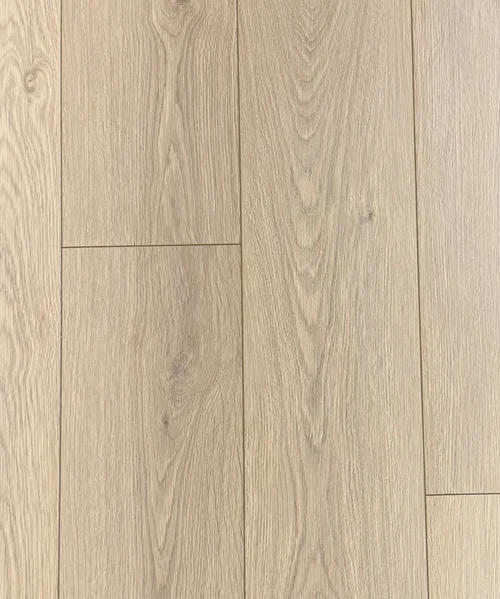
Realistic Aesthetics are another major draw. Modern printing technology allows waterproof laminate floors to convincingly replicate the look of hardwood, stone, and ceramic tile — often so convincingly that guests can’t tell the difference. You get the high-end appearance without the high-end price tag.
Durability and Scratch Resistance make waterproof laminate floors ideal for homes with children and pets. The tough wear layer resists scratches, dents, and scuffs far better than real hardwood, meaning your floors will look great for years.
Ease of Maintenance is a practical advantage that homeowners love. Waterproof laminate floors require nothing more than regular sweeping and occasional damp mopping. There’s no need for special sealers, waxes, or professional refinishing.
Affordability sets waterproof laminate flooring apart from luxury alternatives like hardwood or natural stone. You can achieve a premium look for a fraction of the cost, making it an excellent option for budget-conscious renovations.
Comfortable Underfoot feel is often cited as a benefit over tile or stone alternatives. The WPC or SPC core provides a slightly softer, warmer feel, especially when paired with an attached underlayment.
Where Can You Install Waterproof Laminate Floors?
One of the most significant selling points of waterproof laminate flooring is its installation versatility. Because of its moisture-resistant core, it can be installed in virtually any room in the home, including spaces where traditional laminate would quickly fail.
Kitchens are a perfect application. Between cooking spills, dishwasher leaks, and the general high-traffic nature of the room, kitchens need a floor that can handle punishment. Waterproof laminate flooring delivers exactly that.
Bathrooms are where waterproof laminate flooring truly shines compared to traditional laminate. The high moisture environment and potential for standing water make a fully waterproof core essential.
Basements are another ideal location. Basements are prone to moisture seeping up from the ground, making waterproof laminate flooring a far safer choice than standard laminate or hardwood.
Living rooms and bedrooms benefit from waterproof laminate flooring as well, particularly in homes with pets, young children, or elderly family members who may be prone to spills.
Types of Waterproof Laminate Floors
Not all waterproof laminate flooring is created equal. There are two primary core types to be aware of when shopping for waterproof laminate flooring.
WPC (Wood Plastic Composite) flooring features a core made from a blend of wood pulp and plastic polymers. This creates a floor that is lightweight, comfortable underfoot, and highly waterproof. WPC waterproof laminate flooring is slightly softer, making it a great choice for living areas and bedrooms where comfort is a priority.
SPC (Stone Plastic Composite) flooring, on the other hand, uses a core made from limestone powder and plastic stabilizers. This results in a denser, more rigid plank that is exceptionally durable and resistant to denting. SPC waterproof laminate flooring is ideal for commercial spaces or high-traffic residential areas where maximum durability is needed.
Both types are excellent choices, and the best option will depend on your specific priorities — comfort versus durability.
How to Choose the Right Waterproof Laminate Floor
Selecting the right waterproof laminate flooring involves considering several important factors beyond just moisture resistance.
Wear Layer Thickness is a critical factor. The wear layer is measured in mils, and a thicker wear layer means greater protection against scratches and wear. For residential use, look for a wear layer of at least 12 mils. For commercial or heavy-traffic areas, opt for 20 mils or more.
AC Rating (Abrasion Class) tells you how durable the floor’s surface is. Ratings range from AC1 to AC5. For most residential applications, AC3 or AC4 is sufficient. Commercial spaces benefit from AC4 or AC5.
Plank Thickness affects the floor’s stability and how well it conceals subfloor imperfections. Waterproof laminate flooring typically ranges from 6mm to 12mm in thickness. Thicker planks tend to feel more solid underfoot and are better at hiding minor subfloor irregularities.
Plank Width and Length influence the overall aesthetic. Wider planks create a more contemporary, open feel, while narrower planks offer a more traditional look. Longer planks can make smaller rooms appear larger.
Texture and Finish add realism and slip resistance to the floor. Embossed-in-register (EIR) textures align the surface texture with the printed grain pattern, creating an incredibly lifelike appearance. Matte finishes tend to look more natural and hide footprints better than glossy finishes.
Attached Underlayment simplifies installation and improves sound absorption. Many waterproof laminate flooring products come with a pre-attached underlayment, which is a convenient feature worth looking for.
How to Install Waterproof Laminate Floors
One of the reasons waterproof laminate flooring is so popular among DIY enthusiasts is its relatively straightforward installation process. Most waterproof laminate flooring uses a floating click-lock installation system, meaning the planks snap together without glue or nails and are not attached directly to the subfloor.
Before beginning installation, you should acclimate the flooring to the room’s temperature and humidity for at least 48 hours. This helps prevent expansion or contraction after installation. Ensure your subfloor is clean, dry, level, and structurally sound. Minor imperfections of up to 3/16 inch over 10 feet can typically be tolerated, but larger irregularities should be addressed before laying the floor.
Start in one corner of the room and work your way across, staggering the end joints between rows by at least 6 inches for a natural appearance and added structural integrity. Leave an expansion gap of approximately 1/4 inch around all walls and fixed objects to allow the floor to expand and contract naturally with temperature changes. Finally, install baseboards or quarter-round molding to cover the expansion gap and complete the look.
While installing waterproof laminate flooring is very much a DIY-friendly project, hiring a professional installer is always a good option if you’re working with complex room shapes, stairs, or transitions between different flooring types.
How to Care for and Maintain
Proper maintenance will keep your waterproof laminate floor looking its best for many years. Fortunately, the maintenance routine is simple and low-effort compared to hardwood or natural stone.
Sweep or vacuum regularly to remove dirt, dust, and debris that can act as an abrasive and gradually dull the surface. Use a soft-bristle attachment on your vacuum to avoid scratching the wear layer. Damp mop the floor as needed using a microfiber mop and a cleaner specifically designed for laminate floors. Avoid using excessive water, steam mops, or harsh chemical cleaners, as these can damage the floor over time.
Place felt pads under furniture legs to prevent scratching, and use doormats at entrances to reduce the amount of dirt and grit tracked onto the floor. Although waterproof laminate floor resists moisture from above, it’s still good practice to wipe up standing spills promptly to keep grout lines and edges looking clean.
Common Questions About Waterproof Laminate Flooring
Is waterproof laminate flooring truly 100% waterproof? The core of waterproof laminate floor is indeed 100% waterproof, meaning it will not absorb water or swell. However, water can still potentially seep through the seams between planks if left standing for an extended period, particularly with lower-quality products. For this reason, it’s wise to clean up large spills as soon as possible.
Can waterproof laminate flooring be installed over radiant heat? Many waterproof laminate floor products are compatible with radiant heat systems, but it’s essential to check the manufacturer’s specifications. SPC products generally perform better over radiant heat than WPC due to their denser core.
How long does waterproof laminate flooring last? With proper care, quality waterproof laminate floor can last anywhere from 15 to 25 years. Premium products with thicker wear layers tend to last longer, especially in high-traffic areas.
Is waterproof laminate flooring good for dogs? Yes, waterproof laminate flooring is an excellent choice for pet owners. It resists pet accidents, is easy to clean, and the scratch-resistant wear layer stands up well to pet claws.
Top Tips for Buying
When you’re ready to purchase waterproof laminate floors, keep these tips in mind to ensure you get the best value and performance for your investment.
Always buy slightly more than you need — a 10% overage is a standard recommendation to account for cuts, waste, and future repairs. Purchase all your floor products from the same production batch (dye lot) to ensure consistent coloring throughout the installation. Read warranties carefully, as reputable manufacturers back their waterproof laminate floors with warranties of 15 to 30 years or more for residential use. Don’t compromise on wear layer thickness if you have a high-traffic household, and always confirm that the product meets your specific installation needs, whether that’s compatibility with radiant heat, glue-down installation, or use in a below-grade space.
Final Thoughts
Waterproof laminate flooring represents one of the best values in the flooring industry today. It combines the beautiful aesthetics of hardwood or stone with practical waterproof protection, easy maintenance, and an accessible price point. Whether you’re updating your kitchen, tackling a basement renovation, or simply looking for a floor that can keep up with the demands of a busy family, waterproof laminate floor is a choice that delivers on every level.
By understanding the different core types, wear layer ratings, and installation requirements, you can confidently select a waterproof laminate floor product that will look beautiful and perform reliably for decades to come. Take your time comparing options, request samples to see the product in your own lighting, and don’t hesitate to consult a flooring professional if you have any doubts.
Your floors are the foundation of your home’s interior — and with waterproof laminate flooring, you’re investing in a foundation that’s built to last.